TNB’s Gurun DCFC: 100% Taken, 50% Delivered, Why?


TNB has made a commendable move by commissioning a 180kW DC fast charger (DCFC) at Gurun R&R (Northbound) along the PLUS North-South Expressway.
This addition is a step in the right direction, offering convenience and reassurance to electric vehicle users navigating intercity routes. It reflects a growing commitment from the national utility provider toward supporting Malaysia’s EV infrastructure rollout.
However, while the initiative deserves recognition, it also raises important questions. Chief among them: why only 180kW, when the infrastructure in place could have supported much more?

From what can be observed on-site, TNB has drawn 630 amps from the nearby substation, a capacity sufficient to run up to a 400kW DC chargering. This is confirmed by the EV distribution board marked with a 600A rating. Yet, only a single 2-nozzle 180kW DCFC has been installed, meaning the site is utilizing less than half of its potential.
The rest of the power appears locked in, effectively leaving no available capacity for any other charge point operator (CPO) to set up at the same location.
This presents a deeper issue. Any other CPO wishing to install chargers at Gurun R&R or any other areas with such practice for this matter would now have to fund and build a separate compact substation, which carries a cost north of RM450,000.

Once completed, this substation must be surrendered to TNB as we had highlighted before, and there's no guarantee the original builder will have exclusive access - the infrastructure may be shared with others without compensation or return on investment.
This not only deters new players from entering the market, but also centralizes infrastructure control in a way that stifles growth.

Even more puzzling is the technical decision to reserve 630A to power a 180kW setup. A 250A supply would have sufficed, leaving the rest of the capacity open for other CPOs. That would have encouraged competition and collaboration, furthering the national EV charger deployment agenda targeting 10,000 public chargers by the end of 2025.
Instead, what we see is a strategic chokehold on power allocation that limits network expansion and slows the pace of market diversification.


Complicating the matter are the existing rules imposed by PLUS and the Malaysian Highway Authority (LLM), which reportedly restrict R&R sites to a maximum of three CPOs. In such a limited environment, grid monopolisation becomes even more problematic. If one party takes all the available power and under-delivers on output, others are left without options - and the consumer ultimately loses in the long run.
This also renews the long-standing question of whether TNB, as the national grid operator and energy supplier, should be competing in the CPO space at all. The Gurun site illustrates the risk of conflicting interests, where infrastructure intended for public benefit is seemingly used to reinforce a dominant market position. The optics and implications are troubling.

This is a critical moment for Malaysia’s EV infrastructure strategy. If we are serious about encouraging widespread adoption, then grid resources must be managed transparently and used to their full potential.
The Energy Commission (Suruhanjaya Tenaga) must consider stepping in to ensure that all operators, big and small, have fair access to public infrastructure. What’s taken from the grid must serve the broader industry, not just the interests of one entity.
In the end, while we are pleased to see DCFCs appearing at key locations, a monopoly in power access sets a dangerous precedent. Malaysia needs more than just chargers; it needs an ecosystem that thrives on healthy competition, open collaboration, and efficient resource sharing.
The success of our national EV goals depends on it.
Image Source: PlugShare
Written By
Kumeran Sagathevan
More then half his life spend being obsessed with all thing go-fast, performance and automotive only to find out he's actually Captain Slow behind the wheels...oh well!


JPJ Running Numbers
KUALA LUMPUR
VRT4934
SELANGOR
BSU3493
JOHOR
JF5210J
PULAU PINANG
PSG3210
PERAK
APM1537
PAHANG
CFH9844
KEDAH
KGJ4157
NEGERI SEMBILAN
NEM2445
KOTA KINABALU
SJU5013
KUCHING
QAB7415P
Last updated 10 Oct, 2026
Fuel Price
Petrol
RON 95
RM 3.97
+1.38
RON 97
RM 4.90
+1.75
RON 100
RM 7.20
+2.20
VPR
RM 8.23
+2.00
Diesel
EURO 5 B10
RM 5.12
+2.08
EURO 5 B7
RM 5.32
+2.08
Last updated 30 Apr, 2026
Related News

MITI Weighs CBU Import Rules to Boost EV Charger Roll-Out
MITI is weighing CBU import rules to boost EV charger roll-out, as fast charging emerges as the backbone of Malaysia’s public EV network.
06-02-2026

TNB: Floods, EVs and Electrocution Fears
TNB, say built-in safeguards make EV charging safe, even in rising waters.
05-01-2026

TNB Alerts EV Owners on Single-Phase Charging Risks
TNB has issued a safety alert following an increase in fuse failures linked to high-power EV charging on single-phase home supplies.
25-11-2025

AFA in Effect: 1.45 sen/kWh Rebate Lowers EV Charging Costs This August
The first AFA-based adjustment offers direct savings for high-usage households, including EV owners.
30-07-2025

New TNB Electricity Tariff Structure From July 1, 2025
TNB’s revamped electricity tariff structure, effective July 1, 2025, promises fairer, clearer billing and rewards for energy-efficient users.
21-06-2025

New ChargEV Pitstop Tangkak: Powering Passenger and Logistics Electrification
New ChargEV Pitstop Tangkak features DCFC for both light and heavy vehicles along North-South Highway.
13-01-2025

TNB Tariff Rates Raised 14.2% Starting July 2025
TNB announces 14.2% increase in electricity tariff rates, and this is set to take effect from July 2025 onwards.
27-12-2024

TNB: RM90 Billion Allocated To Beef Up Energy Grid, Roll Out 500 EV Charging Points
TNB gears up to drive Malaysia’s green future by expanding a nationwide EV charging network – 500 EV Charging point by 2025.
11-11-2024
Latest News
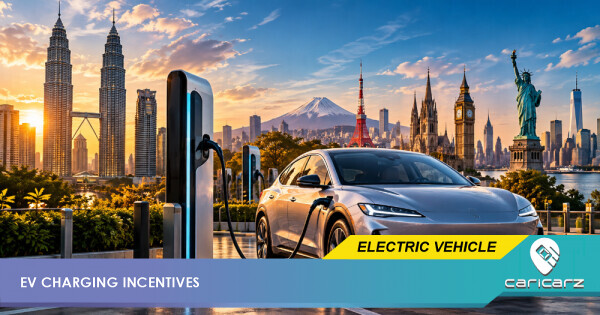
EV Charging Incentives: Malaysia vs Other Countries
Malaysia offers EV charging tax incentives, but how does it compare globally? Explore EV charger subsidies, grants and tax breaks in six other markets.

08-10-2026
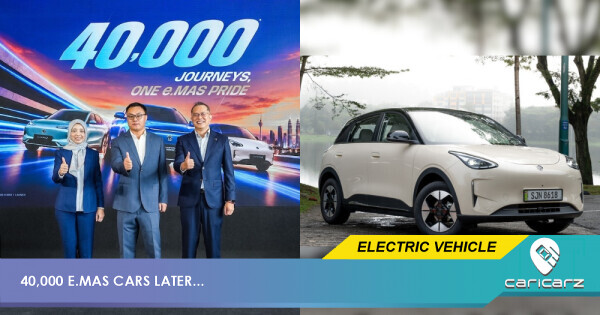
Proton Sold 40,000 e.MAS Cars. But That's Not Even The Most Interesting Number
Proton e.MAS has delivered 40,000 vehicles, but the e.MAS 5's place among Malaysia's best-selling cars tells an even bigger EV story.
30-09-2026
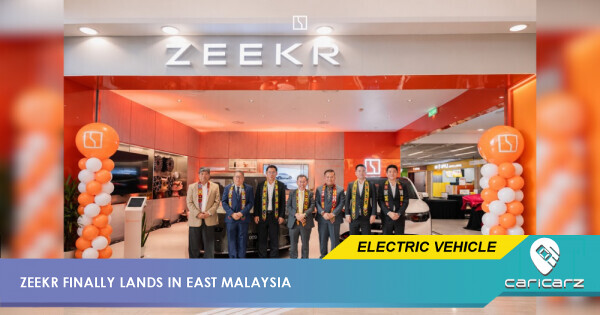
Kuching Gets Zeekr's First East Malaysia Store, With More Coming Next Year
Zeekr opens its first East Malaysia retail location at The Spring Kuching, with permanent sales and service centres targeted for Q1 2027.
29-09-2026
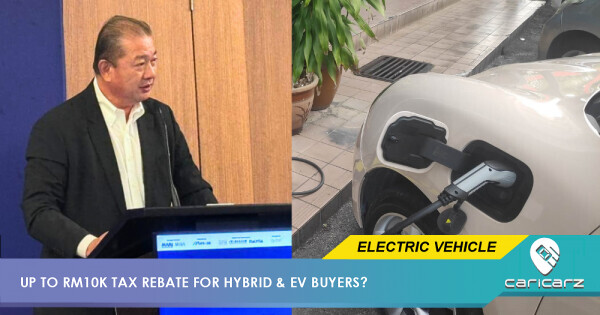
Buying A Hybrid Or EV? MAA Proposes Up To RM10,000 Tax Rebate
MAA proposes a RM7,000-RM10,000 income tax rebate for hybrid and EV buyers under Budget 2027, plus incentives for home charging and old-car scrapping.
28-09-2026
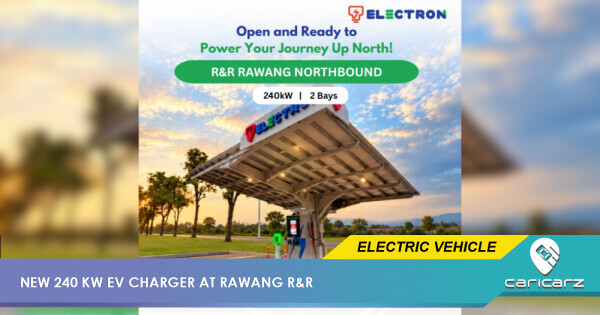
Driving Up North In An EV? There's A New 240 kW Charger At Rawang R&R
TNB Electron's new 240 kW DC EV charger at R&R Rawang Northbound is now live, with free charging available until 29 Sept 2026.
28-09-2026
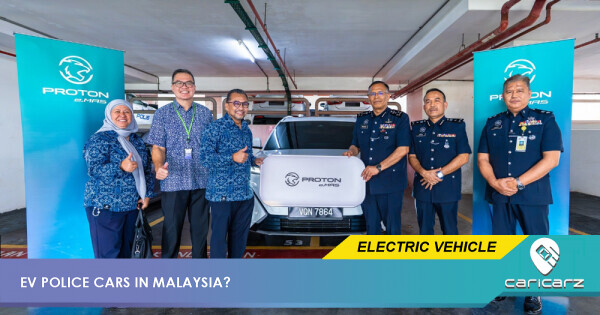
Could An EV Really Work As A Malaysian Police Car? PDRM Is Finding Out
PDRM is testing the Proton e.MAS 5, e.MAS 7 EV and e.MAS 7 PHEV to see whether electrified vehicles could work for Malaysian police duties.
18-09-2026
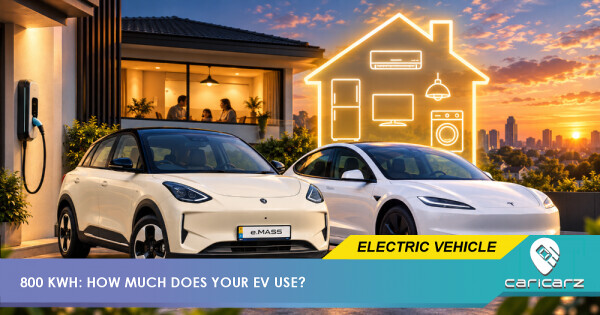
Malaysia's Electricity Protection Is Now 800 kWh - How Much Power Does An EV Use Per 100 KM?
Malaysia's electricity protection threshold is now 800 kWh. Here's how much electricity popular EVs use per 100 km and what the extra 200 kWh means.
18-09-2026
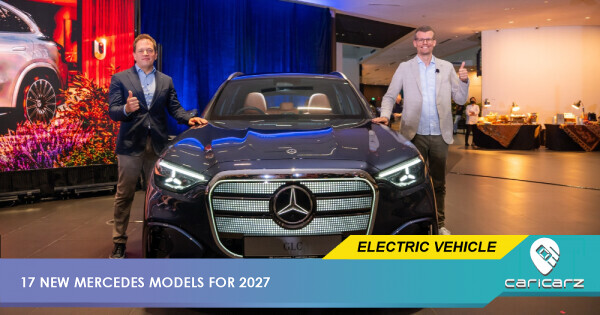
17 New Mercedes Models Are Coming To Malaysia In 2027 - Here's What We Know
Mercedes-Benz Malaysia plans 17 new models for 2027, with most set for local assembly in Pekan. Here's what we know about its ICE and EV plans.
17-09-2026
Show More
trending_flat
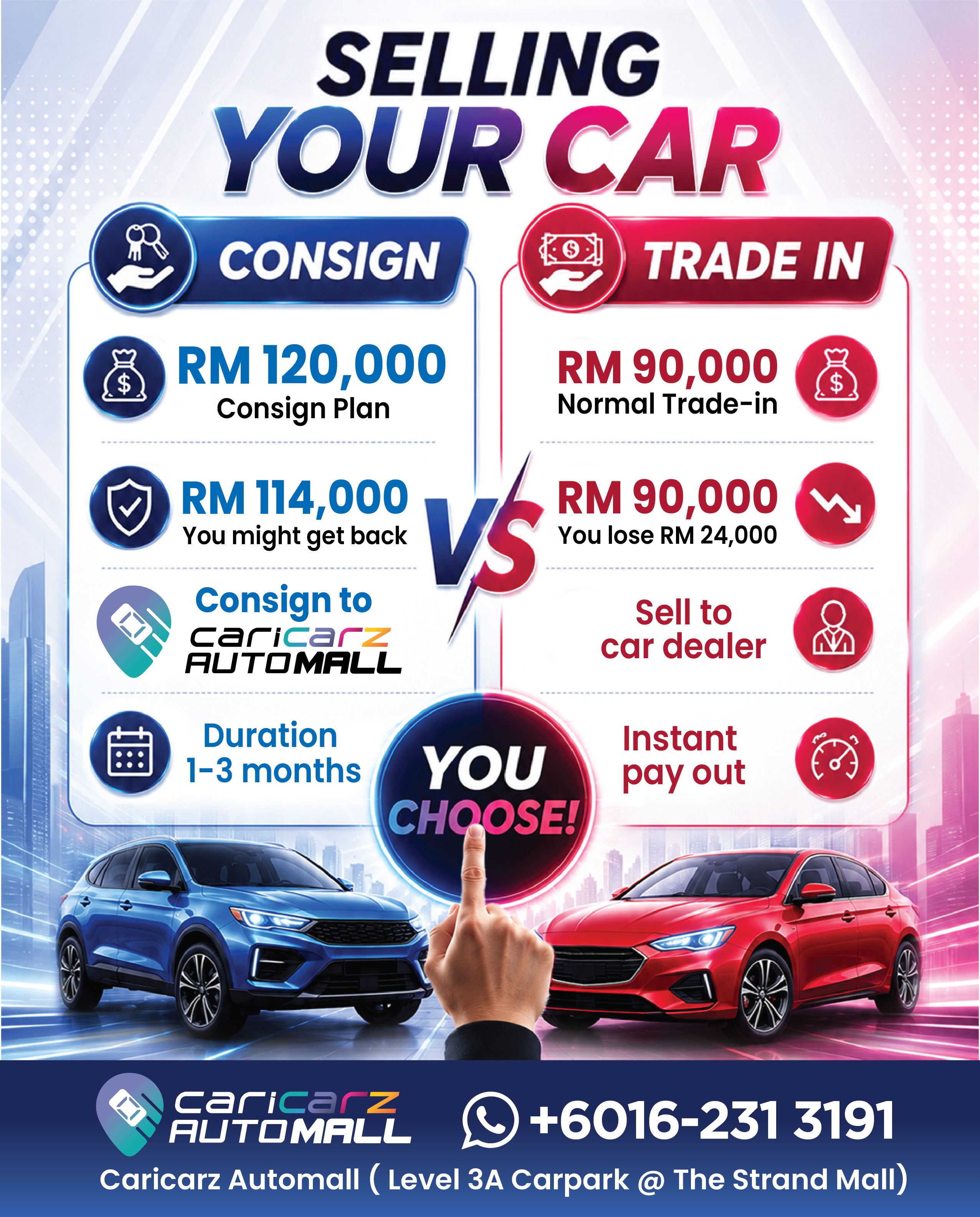
Malaysia First Used Car and EV Consignment Platform
This is the best place to sell your car at true market value. Instead of accepting low dealer trade-ins, we handle everything and connect your car directly to genuine buyers for the highest price.

Understanding CariCarzAutomall Consignment Plan

Approved 200-Check Points Inspection

7 Day Money Back Guarantee

One Year Extended Warranty

No Hidden Charge
