How Cheap Components Could ‘Help’ Kill Off Combustion Cars

The wire harness is a simple component that connects cables that has become an issue in the automotive industry. Some believe the cheap and humble harness could ‘spell’ the end of combustion engines.
The war in Ukraine cut off supplies of the auto part, which is home to a significant portion of the world's production, with wire harnesses made there fitted in hundreds of thousands of new vehicles each year.
These low-tech and low-margin parts – made from wire, plastic, and rubber with a lot of low-cost manual labour – may not be as well-known as microchips and motors, but they are necessary for car production.
According to interviews with over a dozen industry professionals and experts, the supply shortage may hasten some legacy automakers' plans to switch to lighter, machine-made harnesses for electric vehicles.
Globally, gasoline cars continue to account for the majority of new car sales. EVs doubled in number to 4 million last year, but accounted for only 6% of vehicle purchases, according to JATO Dynamics data.
According to Reuters, Nissan CEO Makoto Uchida stated that supply chain disruptions such as the Ukraine crisis prompted his company to speak with suppliers about shifting away from the low-labor wire-harness model.
However, suppliers and automakers will shift harness production to lower-cost countries in the short term.
According to a source familiar with Mercedes-operations, Benz's the company was able to fly harnesses to Mexico to fill a supply gap. Japanese suppliers are expanding capacity in Morocco, while others are looking for new manufacturing lines.
Harnesses for fossil-fuel vehicles connect cables that can extend up to 5 kilometres (3.1 miles) in a typical vehicle. Everything from windows to seat heaters is linked. They are labor-intensive to produce, and almost every model is unique, making it difficult to shift production quickly.
The supply disruptions in Ukraine served as a wake-up call for the auto industry. According to suppliers and carmakers, the plants remained open in the early stages of the war due to the perseverance of workers who kept the parts moving despite power outages, air raid warnings, and curfews.
The new generation of wire harnesses used by electric natives such as Tesla can be manufactured in sections on automated production lines and are lighter, which is important because reducing an EV's weight is critical for extending range.
Many of the experts and executives interviewed believed that fossil-fuel vehicles, which are being phased out in Europe, China, and elsewhere, would not be around long enough to justify redesigns to allow them to use next-generation harnesses.
According to Walter Glück, head of Leoni's harness business, the supplier is working with carmakers on new automated solutions for EV wire harnesses.
Leoni is focusing on zonal or modular harnesses that are divided into six to eight parts, making them short enough for assembly automation and reducing complexity.
According to a person with knowledge of the matter, BMW is also considering using modular wire harnesses, which would require fewer semiconductors and less cable, saving space and making them lighter.
Gallery


Tagged:
Written By
Anis
Previously in banking and e commerce before she realized nothing makes her happier than a revving engine and gleaming tyres........


JPJ Running Numbers
KUALA LUMPUR
VRU8709
SELANGOR
BSU5416
JOHOR
JG2045J
PULAU PINANG
PSG6453
PERAK
APM4216
PAHANG
CFJ1895
KEDAH
KGJ5443
NEGERI SEMBILAN
NEM3599
KOTA KINABALU
SJU6455
KUCHING
QAB7995P
Last updated 22 Oct, 2026
Fuel Price
Petrol
RON 95
RM 3.97
+1.38
RON 97
RM 4.90
+1.75
RON 100
RM 7.20
+2.20
VPR
RM 8.23
+2.00
Diesel
EURO 5 B10
RM 5.12
+2.08
EURO 5 B7
RM 5.32
+2.08
Last updated 30 Apr, 2026
Latest News
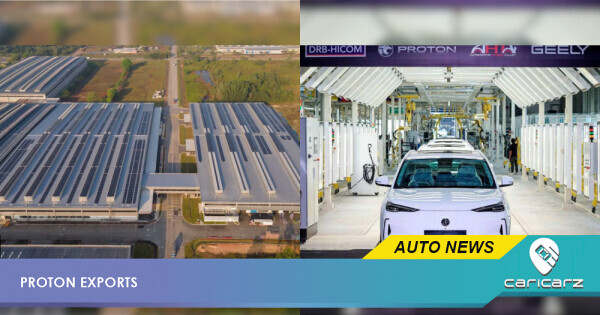
Proton's Exports Are Growing, But Not All The Cars Wear Proton Badges
Proton exported 7,370 vehicles in the first nine months of 2026, including Geely cars built in Malaysia. Here's why it matters for Tanjong Malim.

21-10-2026
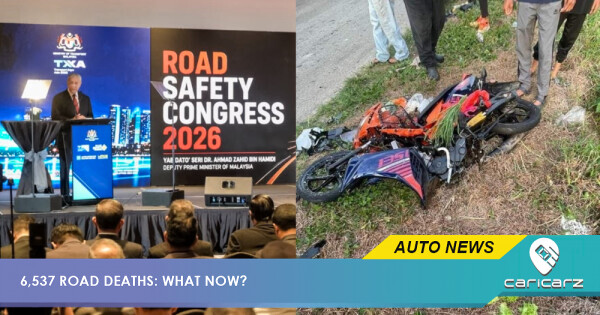
6,537 Road Deaths In 2025 - Can Malaysia's New Safety Push Make A Difference?
Malaysia recorded 6,537 road deaths in 2025. With a new MOT-MIROS proposal underway, can the country meet its target to halve fatalities by 2030?
20-10-2026
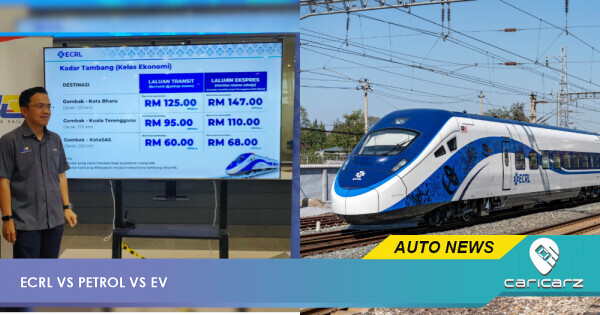
ECRL Vs Driving To Kota Bharu: Petrol, EV Or Train, Which Costs Less?
ECRL fares to Kota Bharu start at RM125. We compare train tickets with petrol and EV energy costs to see which option makes more sense.
19-10-2026
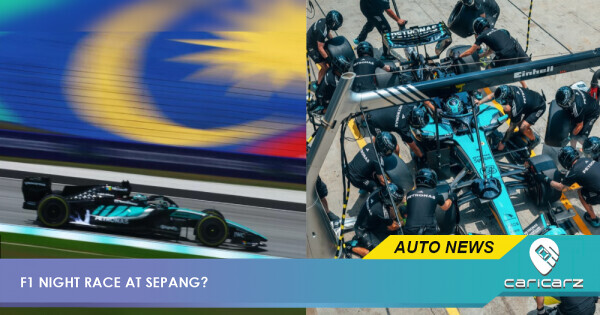
"We'd Love To Go Back": Mercedes Eyes Sepang Return As F1 Night Race Idea Emerges
Mercedes-AMG Petronas F1 wants to return to Sepang, while Signify says a night race is technically possible. Could Malaysia's next F1 race be after dark?
19-10-2026

RM52,000 In Car Rebates? Sime Motors' 3-Day Sale Is Now On!
Sime Motors' 3-day sale runs from 16 to 18 October 2026 in Ara Damansara, with car rebates up to RM52,000, test drives and special offers.
16-10-2026
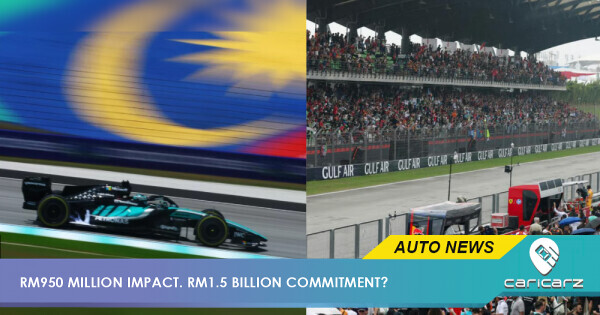
RM950 Million From F1 At Sepang. So Why Is Malaysia Still Hesitating?
F1 at Sepang generated nearly RM950 million in economic impact. But a five-year Malaysian GP deal could cost RM1.5 billion. Here's why.
16-10-2026
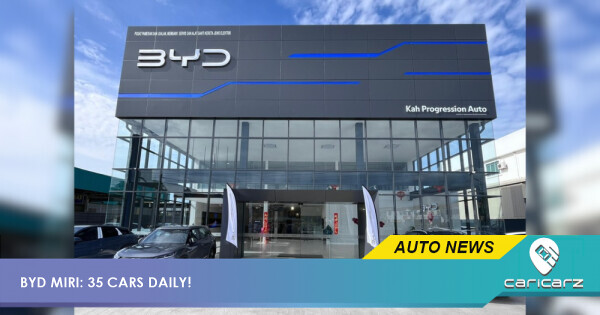
35 Cars Daily! BYD's New Miri 3S Centre Puts Aftersales In Focus
BYD's new Miri 3S Centre can service up to 35 cars daily. Here's how the latest Sarawak expansion strengthens aftersales support for EV owners.
15-10-2026
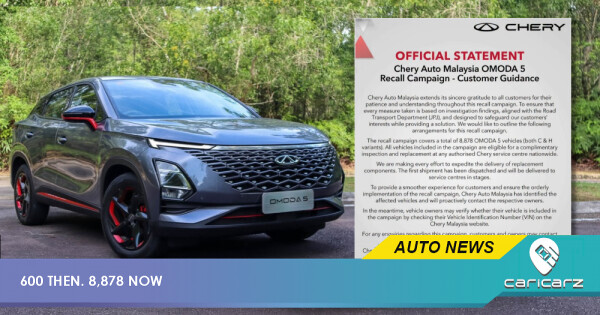
Chery Omoda 5 Recall: 600 Cars In 2024, 8,878 In 2026. What Changed?
Chery's Omoda 5 recall covers 8,878 vehicles, compared with 600 in 2024. Here's what changed, what remains unknown and what owners should do.
15-10-2026
Show More
trending_flat
Malaysia First Used Car and EV Consignment Platform
This is the best place to sell your car at true market value. Instead of accepting low dealer trade-ins, we handle everything and connect your car directly to genuine buyers for the highest price.

Understanding CariCarzAutomall Consignment Plan


Approved 200-Check Points Inspection

7 Day Money Back Guarantee

One Year Extended Warranty

No Hidden Charge
