Mercedes Says It Costs Too Much To Build Cars In Germany, Two Plants Could Close

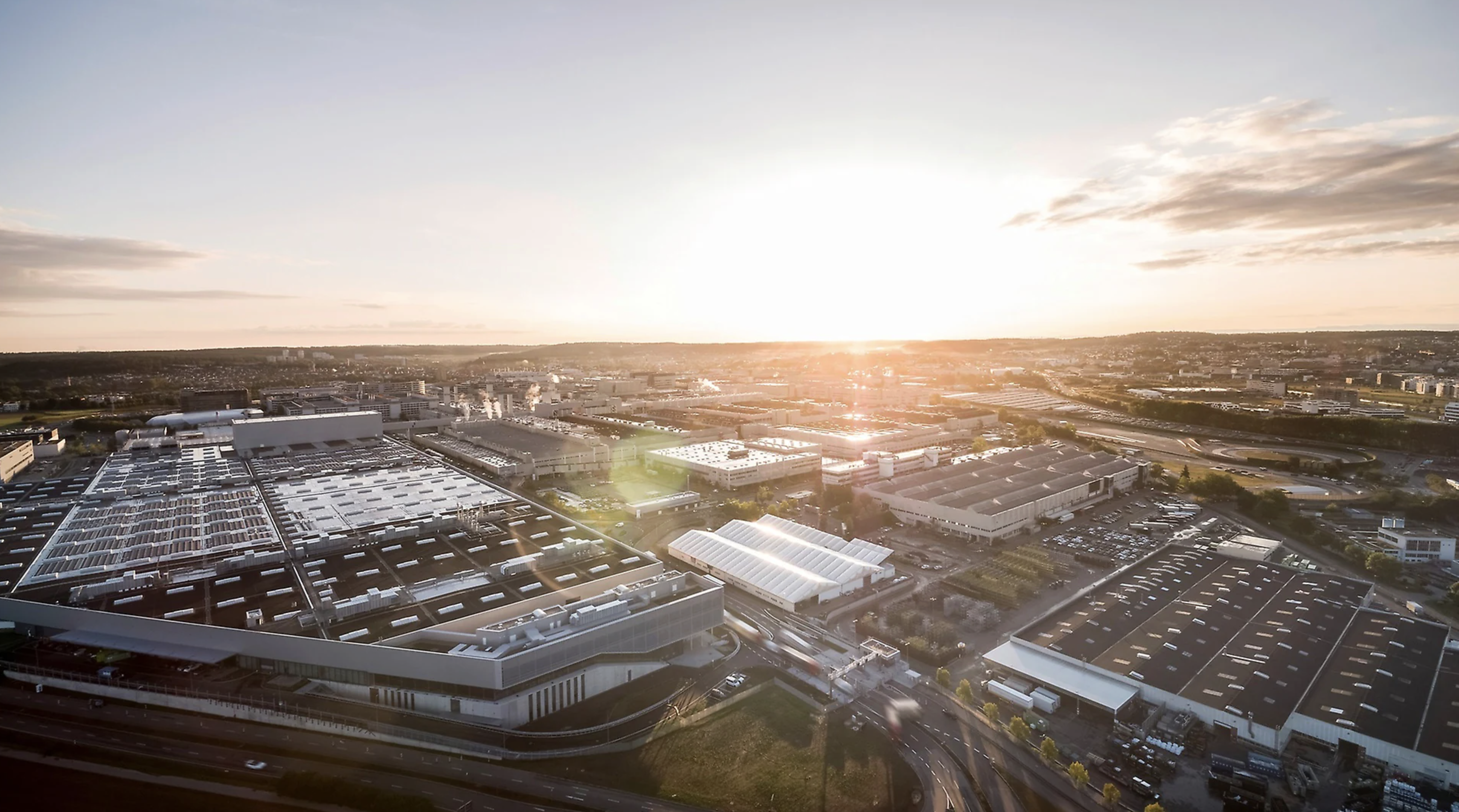
Mercedes-Benz may be one of Germany's most famous exports, but apparently, building its cars at home is becoming increasingly difficult to justify. The automaker has warned that one vehicle assembly plant and one powertrain plant in Germany could eventually close if it cannot bring production costs down.
Mercedes production chief Michael Schiebe delivered the warning to workers at the company's Sindelfingen plant, saying German production is currently not competitive by international standards, with high labour costs among the problems facing its domestic operations.
But before anyone starts imagining Mercedes packing up and leaving Germany, there's an important distinction: no plant closure has been decided, and Mercedes hasn't named any factories for closure.
In fact, the automaker says its objective remains keeping all of its German locations. The warning is essentially that doing so will require costs to come down.
✓ Why: Mercedes says German production isn't competitive internationally, with labour costs a major issue.
✓ No decision yet: No factories have been selected for closure.
✓ Mercedes' goal: The company says it still wants to retain all of its German sites.
Germany Is Simply Expensive For Mercedes
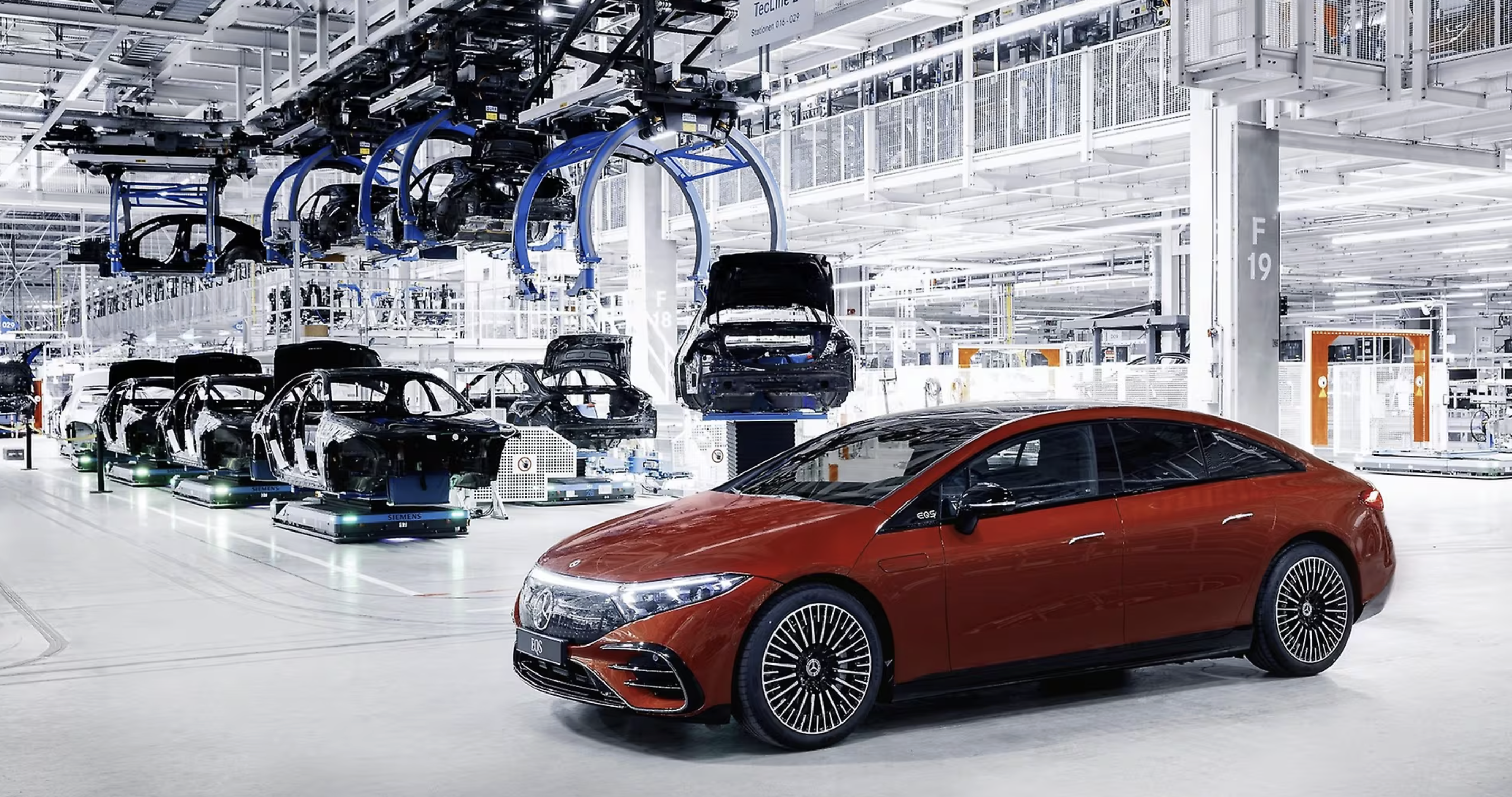
Mercedes' warning makes more sense when you look at what it costs the automaker to manufacture elsewhere. Back in 2025, Mercedes revealed that factor costs at its Kecskemét plant in Hungary were roughly 70% lower than in Germany.
That's a huge difference for a global manufacturer deciding where future cars should be built. And Mercedes has already been adjusting its production strategy accordingly.
Mercedes wants the share of its European production located in lower-cost countries to rise from 15% in 2024 to 30% by 2027. At the same time, the automaker is targeting a 10% reduction in production cost per vehicle from 2027 onwards compared with 2024 levels. Mercedes says it had already achieved a 4% reduction in 2025.
The Kecskemét operation is becoming increasingly important too, with Mercedes expanding the Hungarian plant to support annual production capacity of up to 400,000 vehicles.
Mercedes Previously Said Its German Plants Were Staying
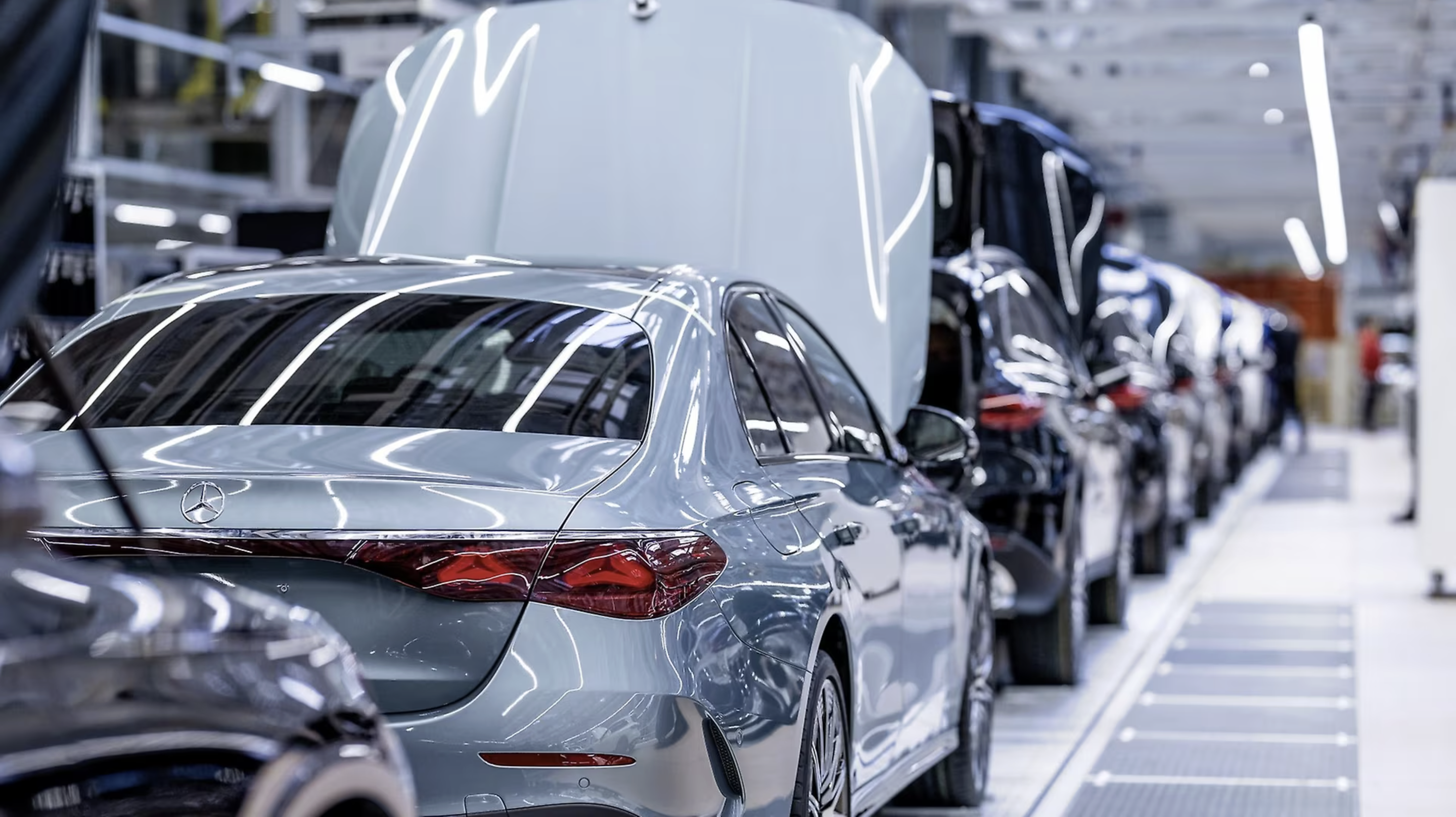
Here's where things get particularly interesting. At its Capital Market Day in February 2025, Mercedes said there were no plans to shut down plants in Germany.
Instead, the company planned to balance production across its German factories while making its wider global manufacturing network cheaper and more efficient.
Fast-forward to September 2026, and closures are now being discussed as a possible outcome if Mercedes and its workers cannot find sufficient cost savings.
Mercedes has not identified any plants for closure. The company says its objective remains to retain all of its German locations, provided sufficient improvements in competitiveness can be achieved.
So, this doesn't mean Mercedes has decided to close anything. But it does show just how seriously the automaker is treating the competitiveness of its German factories.
The company's works council isn't exactly thrilled about the warning either. It has rejected using plant closures as a threat and says it would oppose any attempt to close German facilities.
This isn't the first sign of pressure on Mercedes' German manufacturing operations either. Carz previously reported that Mercedes had cut S-Class production at its Factory 56 facility in Sindelfingen from two shifts to one amid weaker sales of its flagship sedan.
It's Not Just Mercedes Feeling The Pressure
Mercedes isn't operating in a vacuum. Germany's wider automotive industry is going through a difficult restructuring period, with workers protesting amid concerns over job cuts and possible factory closures.
German automakers are simultaneously dealing with tougher global competition, including increasingly capable Chinese manufacturers, as well as international trade pressures such as US tariffs.
A recent European Central Bank (ECB) analysis also found Germany particularly exposed to China's industrial expansion because the two countries increasingly compete in similar export sectors, including machinery and transport equipment.
In other words, German automakers aren't just competing with each other anymore. Their factories have to make economic sense within increasingly global production networks too.
But Mercedes Isn't Abandoning Germany
There is another side to this story. Just days before Schiebe's warning, Mercedes began series production of the new GLA at its Rastatt plant in Germany.
Mercedes says it has invested in the site and is strengthening Rastatt's role within its global production network. The factory employs around 7,000 people and can produce combustion-powered, hybrid and fully electric vehicles using flexible production infrastructure.
So this isn't a case of Mercedes simply deciding that Germany no longer has a place in its manufacturing future.
Mercedes still wants to build cars in Germany. The problem is whether its German factories can remain competitive against significantly cheaper production locations elsewhere.
That's the difficult calculation facing the automaker now: Mercedes wants to continue building cars in Germany, but it also needs those factories to compete with considerably cheaper production locations elsewhere.
And when one of Germany's most famous automakers is openly discussing the possibility of closing factories at home, it's a pretty clear indication of just how serious that cost problem has become.
Written By
Sofea Najmi
A Bachelor of English Language and Literature graduate with an obsession for the finer details. Sofea uses her background in translation to decode the technicalities of automotive innovation. She is dedicated to delivering impactful, meticulously researched articles that provide a narrative far beyond the spec sheet. LinkedIn: https://bit.ly/3C018vv


JPJ Running Numbers
KUALA LUMPUR
VRR2973
SELANGOR
BST9400
JOHOR
JE6579J
PULAU PINANG
PSF7670
PERAK
APL6553
PAHANG
CFH8155
KEDAH
KGJ2329
NEGERI SEMBILAN
NEL9785
KOTA KINABALU
SJU2461
KUCHING
QAB6103P
Last updated 25 Sep, 2026
Fuel Price
Petrol
RON 95
RM 3.97
+1.38
RON 97
RM 4.90
+1.75
RON 100
RM 7.20
+2.20
VPR
RM 8.23
+2.00
Diesel
EURO 5 B10
RM 5.12
+2.08
EURO 5 B7
RM 5.32
+2.08
Last updated 30 Apr, 2026
Related News

Official: EU Approves 2035 ICE Ban With Exemptions for E-Fuel-Powered ICEs
The European Union has approved the 2035 ICE sales ban, which includes special exemptions for e-Fuel-powered vehicles.

29-03-2023

Report: EU Might Allow Sales of New E-Fuel ICE Vehicles After 2035
The European Union might allow the sales of new ICE vehicles to commence beyond 2035, according to reports.
27-03-2023

An Uptick Progress, Porsche’s First Nine Months Of Deliveries
Porsche, ending the third quarter of 2022 with a minor upsurge in deliveries, where sales in Europe and the German market posted the most significant growths.

17-10-2022

A Proton Satria GTi has lapped the Nürburgring!
Malaysian lad fulfils dream by taking a Proton Satria GTi and lap the infamous Nürburgring!

16-09-2022

No More Just 'Screwing Parts Together', Malaysia Wants Local Talents To Design The Next Big ASEAN Car Tech
At KLIMS 2026, Deputy Transport Minister Datuk Hasbi Habibollah urged Malaysia's automotive industry to evolve from car assemblers into technology creators.
18-06-2026

Iran-US War Day 10: It’s Not Just Fuel — Malaysia’s Automotive Industry Faces New Risks
While the BUDI95 subsidy program is already feeling the heat of oil prices flirting with US$120 a barrel, the true threat to our automotive sector lies beneath the surface.
09-03-2026

Global Demand For New Cars Will Grow By 2026 - EY
Automotive industry is expected to experience a significant increase in global demand for new vehicles by 2026.

21-10-2024

Malaysia's Automotive Industry Is On The Verge Of A Massive Transformation — Messe Frankfurt
Malaysia's automotive industry is on the verge of a massive transformation, according to Messe Frankfurt (HK) Ltd, the world's largest trade fair and event organiser.
17-03-2023
Latest News
Mercedes Says It Costs Too Much To Build Cars In Germany, Two Plants Could Close
Mercedes-Benz warns one German assembly plant and one powertrain plant could close if costs aren't reduced, as domestic production struggles to compete.
24-09-2026
Geely EX2 Wins 5 Stars Overseas—Here Are The 2 Safety Specs Missing From Our Local eMas 5
Geely’s EX2 earned a 5-star Euro crash rating, but Malaysia’s Proton eMas 5 is missing 2 key safety specs. Here is what local EV buyers need to know.
03-09-2026
Underreported Mileage & Missing Manuals: 4 Flaws China’s Surprise Factory Audits Just Exposed
China’s government sweep caught domestic automakers cutting corners on build quality.
03-09-2026
![VW in Crisis: 100,000 Jobs at Risk, Half Its Models Face the Axe [Explained]](https://static-content-live.caricarz.com/media_library/post/22514/17314857/conversions/KwfYrayz_1784089950-thumb.jpg)
VW in Crisis: 100,000 Jobs at Risk, Half Its Models Face the Axe [Explained]
100,000 jobs at risk as Volkswagen plans its biggest crisis overhaul. Find out why VW is axing 50% of its Audi, Porsche, and VW model lineup.
15-07-2026

Ferrari Sold Out Its 'Hated' Luce EV in China—But Was It All Thanks to the Number 88?
The world called it 'ugly,' but China’s elites snapped up every Ferrari Luce in seconds. Discover the truth behind the 'hated' EV and the number 88 mystery.
29-06-2026

Tech Meets Elegance: LEPAS Just Dropped L6 & L4 Globally, Coming To Malaysia Soon?
Chery's new LEPAS brand debuts at Auto China 2026! Discover the L6 & L4 EVs featuring "Leopard Aesthetics," a Super AI Agent, and valet parking tech.
28-04-2026

How Did Zeekr 8X Get 10,000 Orders In 30 Minutes? Here Are The "Mindblowing" Reasons
10,000 orders in just 29 minutes?! We dig into why the world's fastest hybrid SUV, the Zeekr 8X, is causing a total frenzy.
21-04-2026

Geely’s Thai Assembly Move: The Final Nail in the Proton Export Coffin?
Geely consolidates in Thailand with a new assembly plant and the "One Geely" strategy. Is the RM32b AHTV enough to keep Proton as the RHD hub for ASEAN?
25-03-2026
Show More
trending_flat