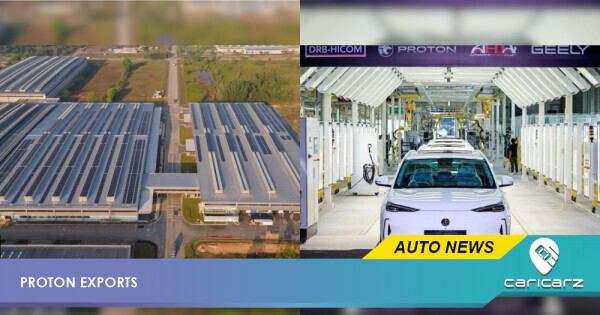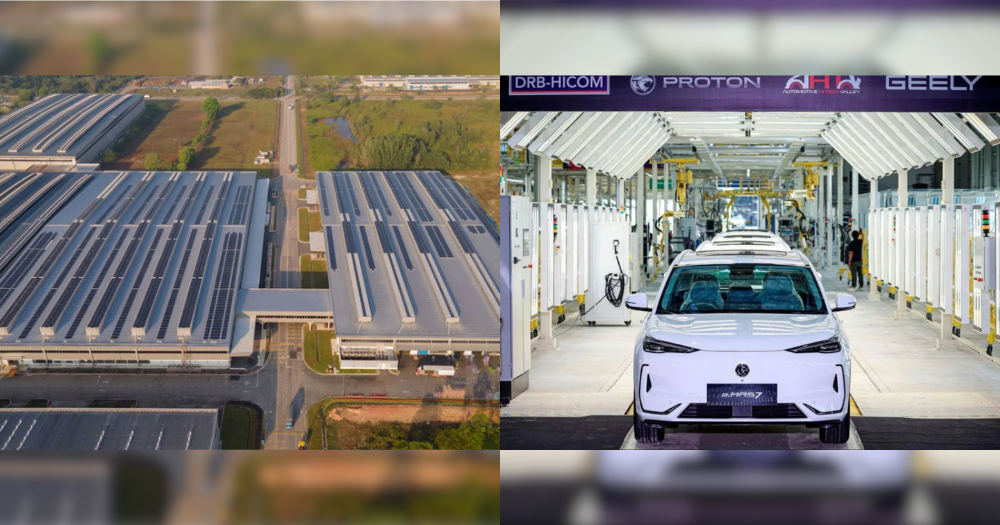
Proton is now building Geely-badged cars in Tanjong Malim for overseas markets, giving Malaysia a bigger role in the global automotive manufacturing network.
Between January and September 2026, Proton's export operations shipped 7,370 vehicles, surpassing the 6,000 units recorded throughout 2025. Geely export programmes accounted for most of that increase.
It's a promising milestone for Malaysia's automotive industry. But beyond the export numbers, what does our country stand to gain?
- Proton exported 7,370 vehicles from January to September 2026, exceeding its entire 2025 total.
- Not all were Proton-badged cars. Geely export programmes contributed most of the increase.
- Malaysia stands to benefit through factory activity, supplier orders and technical expertise, although the exact financial gains remain undisclosed.
Proton's 2026 Exports Have Already Beaten Last Year's Total
Proton's export business reached an important milestone in August, when it shipped 2,477 vehicles overseas. That was its highest monthly export volume since January 2011.
September added another 1,311 units, bringing the nine-month total to 7,370. That's approximately 22.8% more than Proton exported throughout the whole of 2025, although the comparison covers different reporting periods rather than a conventional year-on-year growth rate.
There's also an important catch. The figures combine Proton- and Geely-badged vehicles. While Proton confirms that Geely programmes drove most of the increase, it hasn't provided a complete brand-by-brand breakdown.
In other words, the export milestone doesn't necessarily mean overseas demand for Proton-badged cars alone has grown by the same amount.
Why Is Proton Building Geely Cars In Malaysia?
For Proton, it's a chance to put its Tanjong Malim factory to greater use. For Malaysia, the benefits could go much further.
With an annual production capacity of 250,000 vehicles, Tanjong Malim can take on additional manufacturing work through Geely's overseas programmes, potentially improving efficiency and economies of scale.
Some familiar Proton models have Geely-badged counterparts manufactured at Tanjong Malim for overseas markets.
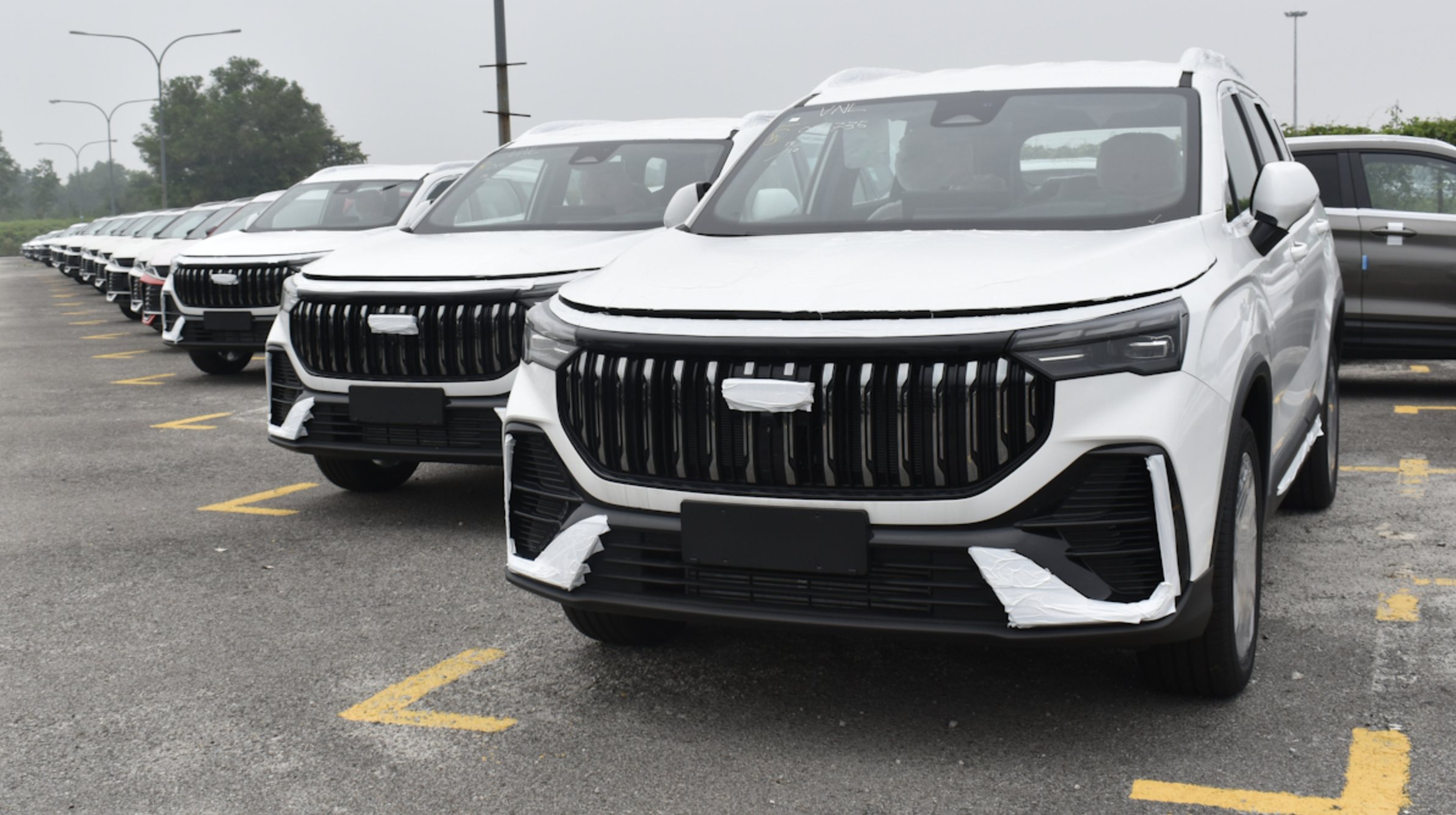
Models identified in SoyaCincau's reporting. Proton has not published a complete model-by-model export breakdown.
But the real opportunity extends beyond the assembly line.
More cars to build means more potential business for local suppliers, while producing vehicles for international markets helps Malaysian workers gain experience with different technical, quality and regulatory requirements.
And that's where the bigger picture comes in. The cars may wear Geely badges, but the manufacturing opportunities, skills and industrial experience can benefit Malaysia.
Tanjong Malim Is Building More Than Just Cars
Malaysia's role in Geely's global operations goes beyond vehicle assembly. At Proton's Automotive High-Tech Valley (AHTV) in Tanjong Malim, its powertrain facility produces engines, transmissions and electric drive units for Proton and selected Geely programmes in markets including Vietnam, Mexico and South Africa.
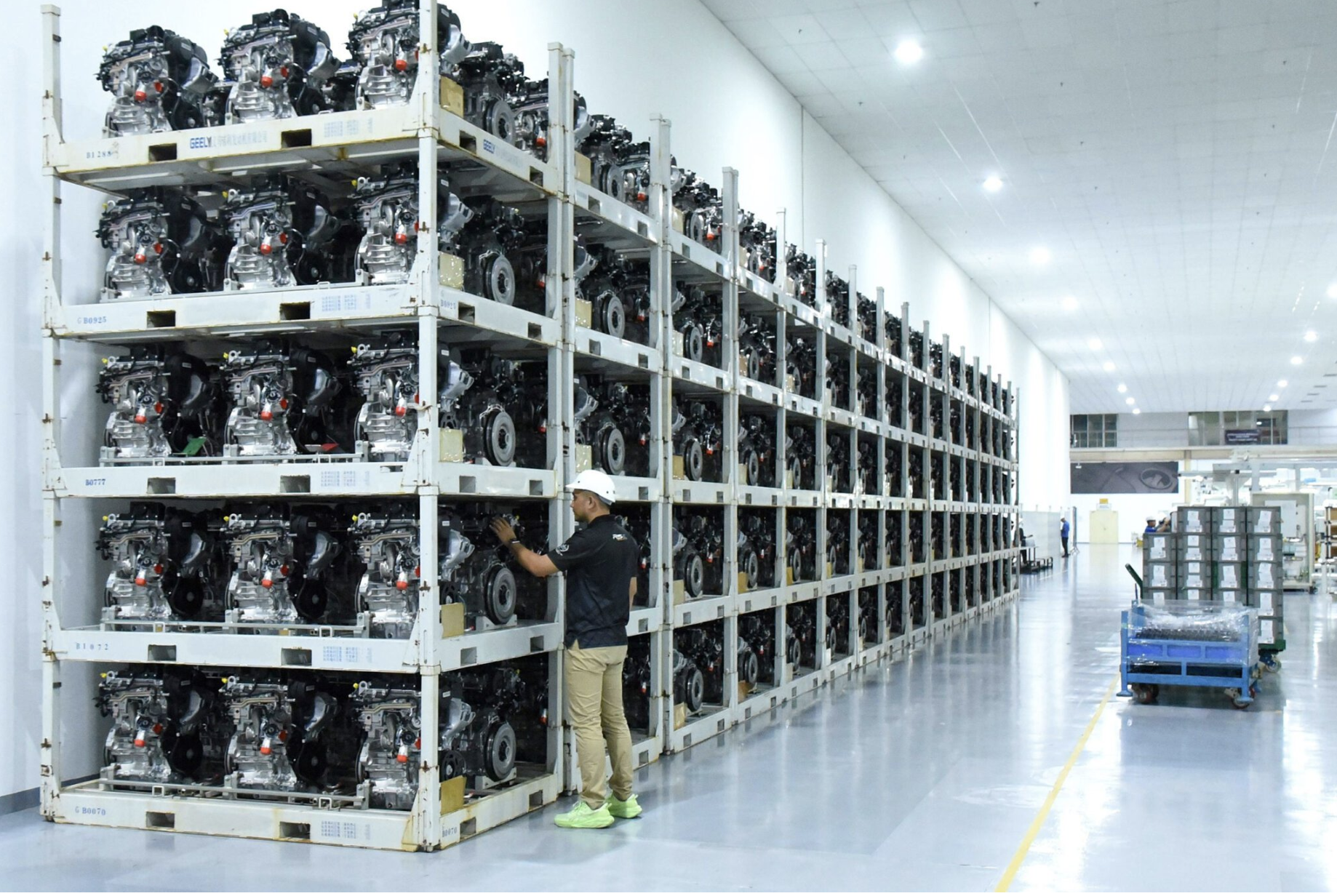
According to Proton, more than RM121 million has been invested in expanding the facility's capabilities. It works with 16 suppliers, including eight Malaysian companies, employs over 500 people and has sent more than 50 Malaysian employees for training in China.
The overseas markets mentioned concern powertrain supply, not necessarily complete Geely vehicles exported from Malaysia.
The bigger picture? Malaysia isn't just assembling cars. We're building the skills, technology and industrial expertise to become a more valuable part of the global automotive supply chain.
Could Geely's Thailand Plans Affect Proton?
There's also a regional question worth considering. Earlier this year, Carz examined reports of a potential Geely assembly operation in Thailand and what that could mean for Proton's ambitions as a regional export hub.
The concern was whether additional manufacturing capacity in Thailand could compete with Tanjong Malim for future production programmes.
Proton's latest export performance shows that its Malaysian facilities are continuing to receive work from within the Geely network. But that doesn't necessarily settle the regional question.
Geely could develop different manufacturing roles in Malaysia and Thailand, depending on the vehicles, markets and production requirements involved.
The latest figures don't establish that Thailand's potential plans have been abandoned, or that Proton has secured exclusive responsibility for Geely's regional exports.
For Malaysia, the challenge is to remain competitive enough to attract more manufacturing work over the longer term.
So, Is This Actually Good News For Malaysia?
On balance, Proton's growing export business is an encouraging development. Geely programmes are helping bring additional manufacturing activity to Tanjong Malim, while Proton's broader powertrain operations demonstrate that Malaysia can participate in more than vehicle assembly alone.
But there are still important questions.
Despite the encouraging export growth, several details remain undisclosed in the official announcements reviewed:
- Exactly how many of the 7,370 exported vehicles carried Geely badges.
- How much revenue or profit Proton earns specifically from Geely vehicle export programmes.
- The proportion of Malaysian-made components used in those exported Geely vehicles.
- The volume of additional Geely vehicle production Malaysia has secured for the coming years.
Until more detailed figures are available, it's difficult to measure the full economic impact. Still, the bigger picture is worth watching.
Proton building Geely cars for export is one thing. Turning that production work into lasting opportunities for Malaysian suppliers, workers and the wider automotive industry would be the real win.