Made In Malaysia, But How Much Of An EV Is Actually Local?

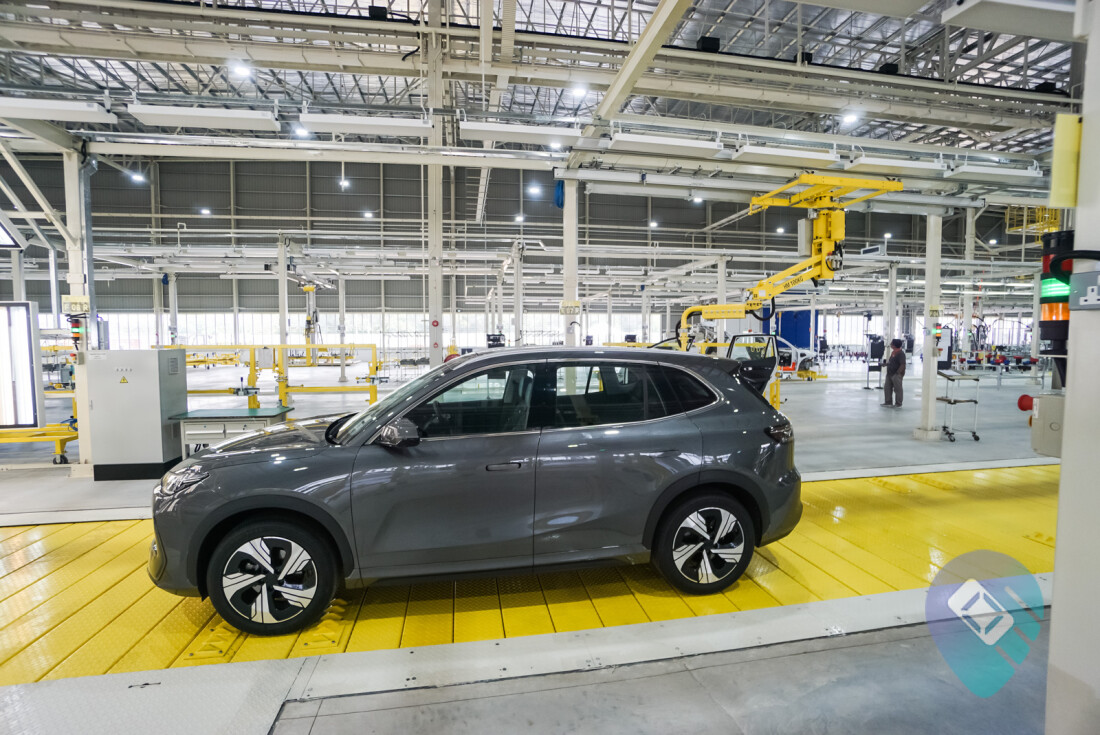
An electric vehicle (EV) assembled in Malaysia isn't necessarily built with mostly Malaysian-made parts.
In fact, locally assembled EVs reportedly have a localisation rate of just 20% to 30%, compared with up to 70% for foreign-brand petrol and diesel vehicles, according to a March 2026 report by The Edge Malaysia.
As Chinese EV makers expand across Southeast Asia, a new South China Morning Post (SCMP) investigation raises concerns about whether Malaysian automotive suppliers are benefiting from the boom.
So, how much of a Malaysian-assembled EV is actually Malaysian?
- 20% to 30% local: The reported localisation rate for locally assembled EVs in Malaysia.
- Up to 70% local: The reported rate for foreign-brand conventional vehicles.
- The challenge: Existing overseas supply chains and costly technology upgrades can limit local supplier participation.
- The opportunity: Deeper localisation, supplier partnerships, hybrids and EV servicing could create new business for Malaysian companies.
Locally Assembled Doesn't Mean Locally Made

So, what exactly makes an EV 'Made in Malaysia'? A completely knocked-down (CKD) vehicle is assembled in Malaysia using parts that may be imported or sourced locally. Local content refers to the Malaysian value included in its production, although the calculation depends on the applicable framework.
How Much EV Content Is Actually Local?
Much of the gap comes down to battery packs and electric motors, which together account for more than half of an EV's total cost, according to The Edge. At the time of its report, neither was being manufactured or assembled locally for domestic EV production.
The takeaway: More EVs rolling off Malaysian assembly lines doesn't automatically mean more Malaysian-made components inside them.
Why Aren't More Malaysian Parts Being Used?
Malaysia already has an established automotive supplier network. However, the transition to EVs introduces new technical requirements and supply-chain relationships.
According to SCMP's November investigation, Chinese EV manufacturers expanding across Southeast Asia often arrive with existing component suppliers, making it harder for smaller local firms to secure contracts.
Interestingly, Malaysia already has relevant manufacturing expertise. The Edge highlighted battery-cell production by Samsung SDI, copper foil manufacturing by SK Nexilis and the country's established semiconductor industry.
However, much of this output serves export markets rather than locally assembled EVs. The opportunity is therefore not just to build new factories, but also to connect existing Malaysian manufacturers with domestic automotive production.
BYD's Inokom Partnership: Local Assembly, But What About Local Parts?
In October 2026, BYD signed a memorandum of understanding (MoU) with Sime Motors subsidiary Inokom Corporation for CKD assembly in Kulim, Kedah, moving away from its earlier Tanjung Malim factory plan.
As Carz previously reported, the arrangement gives BYD access to an established local assembly operation. However, it does not establish how much Malaysian-made content will go into the brand's future locally assembled EVs.
What Is Malaysia Doing To Close The EV Local Content Gap?
The Edge reported that Malaysia's new customised incentive mechanism (NCM) is intended to encourage deeper localisation, research and development, and stronger partnerships with Malaysian suppliers.
The Malaysian Investment Development Authority (MIDA) has also highlighted cost, quality and technology barriers, alongside concerns about pass-through localisation, where imported components undergo minimal local processing without meaningful value creation.
There are encouraging examples of supplier-development efforts. SCMP reported that a May 2025 initiative involving MIDA and Chery brought together local parts and technology suppliers, resulting in commercial agreements.

These efforts show that local participation can grow, although building a competitive EV supply chain requires sustained investment and cooperation.
Can Malaysian Auto Parts Suppliers Still Benefit From EVs?
Yes, but the opportunities may look different from conventional automotive manufacturing. Industry observers cited by SCMP identified several possible pathways.
For smaller businesses, access to training, financing and technical partnerships could determine how successfully they adapt to electrification.
The Bigger Question For Malaysia's EV Industry
Malaysia's EV assembly growth brings investment and manufacturing opportunities, but its long-term value will depend on how deeply local businesses participate in the supply chain.
The real question isn't just how many EVs Malaysia assembles, but how much Malaysian value goes into each one.
What does CKD mean for cars in Malaysia?
How much local content is in Malaysian-assembled EVs?
Why do locally assembled EVs use imported components?
Does BYD assembling EVs in Malaysia mean the parts are locally made?
Written By
Sofea Najmi
A Bachelor of English Language and Literature graduate with an obsession for the finer details. Sofea uses her background in translation to decode the technicalities of automotive innovation. She is dedicated to delivering impactful, meticulously researched articles that provide a narrative far beyond the spec sheet. LinkedIn: https://bit.ly/3C018vv


JPJ Running Numbers
KUALA LUMPUR
VRX4918
SELANGOR
BSU8716
JOHOR
JH436J
PULAU PINANG
PSH2593
PERAK
APM7597
PAHANG
CFJ3540
KEDAH
KGJ7326
NEGERI SEMBILAN
NEM5230
KOTA KINABALU
SJV573
KUCHING
QAB9540P
Last updated 05 Nov, 2026
Fuel Price
Petrol
RON 95
RM 3.97
+1.38
RON 97
RM 4.90
+1.75
RON 100
RM 7.20
+2.20
VPR
RM 8.23
+2.00
Diesel
EURO 5 B10
RM 5.12
+2.08
EURO 5 B7
RM 5.32
+2.08
Last updated 30 Apr, 2026
Related News
Thailand EV Import Tax Rises To 35% In 2027 — Malaysia Policy Compared
Thailand raises its EV import tax to 35% in 2027. See how Malaysia's RM200,000 CIF and 180 kW CBU EV rules compare, and what buyers should know.
04-11-2026
Mercedes-Benz C-Class Electric Malaysia: Price, Specs & 5 Things To Know
Mercedes-Benz C-Class Electric previews in Malaysia with an estimated RM360,888 price, up to 690 km range and 320 kW DC charging. See the key specs.
04-11-2026
Malaysia Considers New Incentives For Affordable EV Purchases
Malaysia is considering new incentives for affordable EVs, including purchase assistance and charging support. Here's what buyers should know.
04-11-2026
Selayang Home EV Charger Permit: Requirements, Documents And Fees (RM15k++)
Selayang's home EV charger permit checklist covers landed homes. See the RM105 council fees, required documents and reported installation costs.
30-10-2026
Chery Is Promising Faster Charging And Longer Range. How Soon?
Chery has revealed 12C fast-charging cells and 400 Wh/kg solid-state battery technology. Here's what its reported 2027 roadmap actually means.
21-10-2026
Tesla Model 3 Malaysia Update: What's New, What's Extra And What's Worth It?
Tesla Model 3 gets V2L, a bigger touchscreen and more Performance range in Malaysia. Prices stay the same, but which upgrades actually matter?
20-10-2026
EV Charging Incentives: Malaysia vs Other Countries
Malaysia offers EV charging tax incentives, but how does it compare globally? Explore EV charger subsidies, grants and tax breaks in six other markets.
08-10-2026
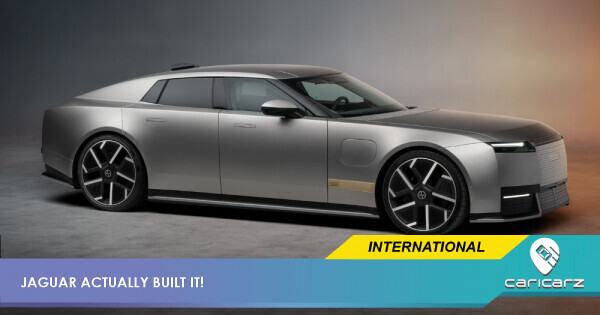
Jaguar Type 01 Revealed: Remember That Wild Concept? They Actually Built It
Jaguar Type 01 turns the wild Type 00 concept into reality with up to 1,030 PS, 720 KM estimated WLTP range and a 118 kWh battery.
07-10-2026
Latest News
Thailand EV Import Tax Rises To 35% In 2027 — Malaysia Policy Compared
Thailand raises its EV import tax to 35% in 2027. See how Malaysia's RM200,000 CIF and 180 kW CBU EV rules compare, and what buyers should know.
04-11-2026
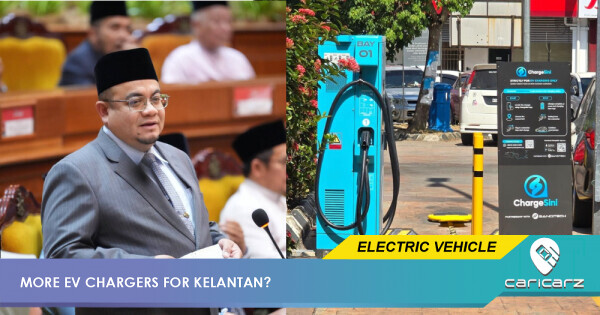
Kelantan Eyes More EV Chargers At Strategic Locations
Kelantan eyes more EV chargers at strategic locations, with 37 units in the Kota Bharu council area and private-sector expansion plans.
04-11-2026
Malaysia Considers New Incentives For Affordable EV Purchases
Malaysia is considering new incentives for affordable EVs, including purchase assistance and charging support. Here's what buyers should know.
04-11-2026
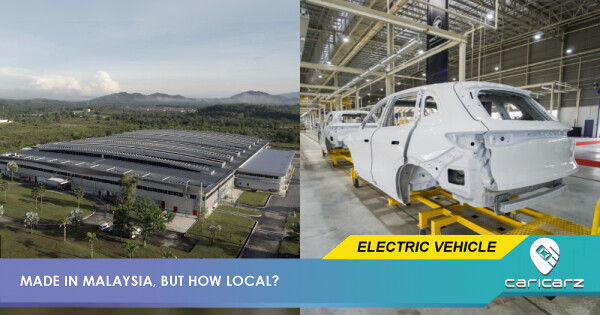
Made In Malaysia, But How Much Of An EV Is Actually Local?
Malaysia's locally assembled EVs reportedly have 20% to 30% local content. Here's why local suppliers face challenges as EV assembly grows.
02-11-2026
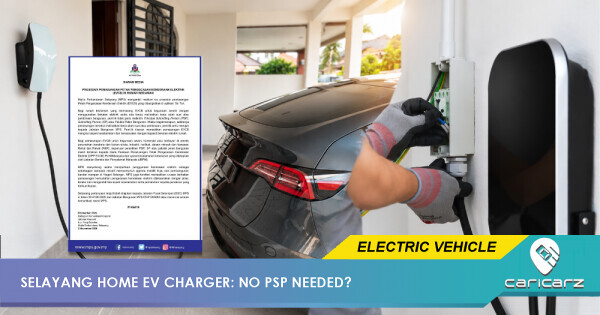
Selayang Council: No Architect Or Engineer Needed For Home EV Chargers Without Renovation
Selayang Council clarifies when home EV chargers need no PSP or SP. Find out what this means for RM15K+ cost estimates, permits and electrical safety.
02-11-2026
Selayang Home EV Charger Permit: Requirements, Documents And Fees (RM15k++)
Selayang's home EV charger permit checklist covers landed homes. See the RM105 council fees, required documents and reported installation costs.
30-10-2026
Chery Is Promising Faster Charging And Longer Range. How Soon?
Chery has revealed 12C fast-charging cells and 400 Wh/kg solid-state battery technology. Here's what its reported 2027 roadmap actually means.
21-10-2026
Malaysia Is Getting More Electric Buses, But Will Our Daily Commutes Get Better?
Rapid Bus is introducing more electric buses in Malaysia, starting with KL and Penang. But will quieter, cleaner buses actually improve daily commutes?
21-10-2026
Show More
trending_flat
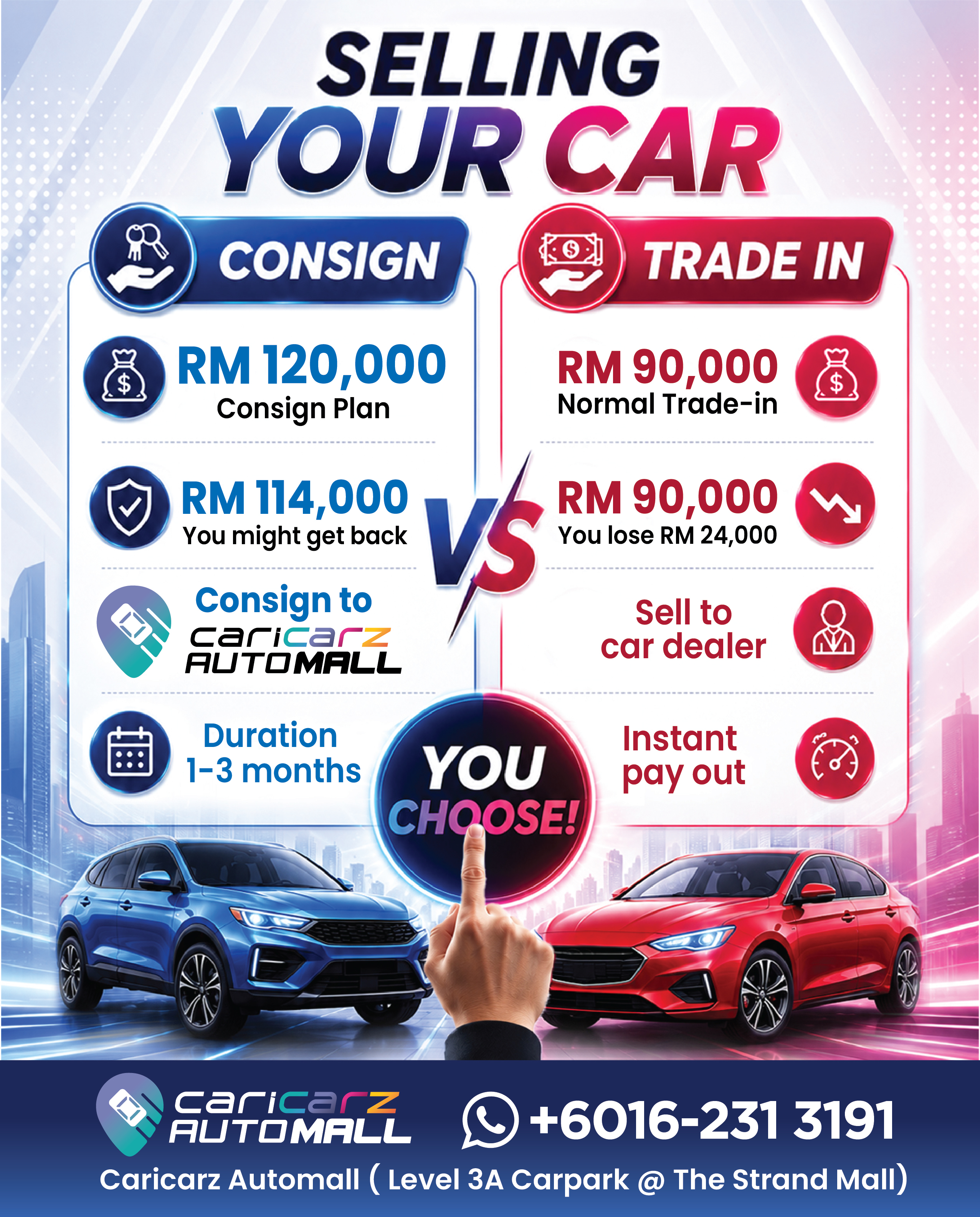
Malaysia First Used Car and EV Consignment Platform
This is the best place to sell your car at true market value. Instead of accepting low dealer trade-ins, we handle everything and connect your car directly to genuine buyers for the highest price.

Understanding CariCarzAutomall Consignment Plan

Approved 200-Check Points Inspection

7 Day Money Back Guarantee

One Year Extended Warranty

No Hidden Charge
